

Understanding your utility bill and identifying factors contributing to high charges can help reduce costs. Utility bills often seem unpredictable, but in many cases, several common factors can drive up electricity, water, and gas expenses. Recognizing these culprits not only helps homeowners make informed decisions but also allows them to implement practical solutions that save money and energy. From seasonal spikes to outdated appliances, this article examines ten key areas that could be responsible for elevated utility bills and explores strategies for mitigating these costs.
Why Does My Electricity Usage Spike During Summer?
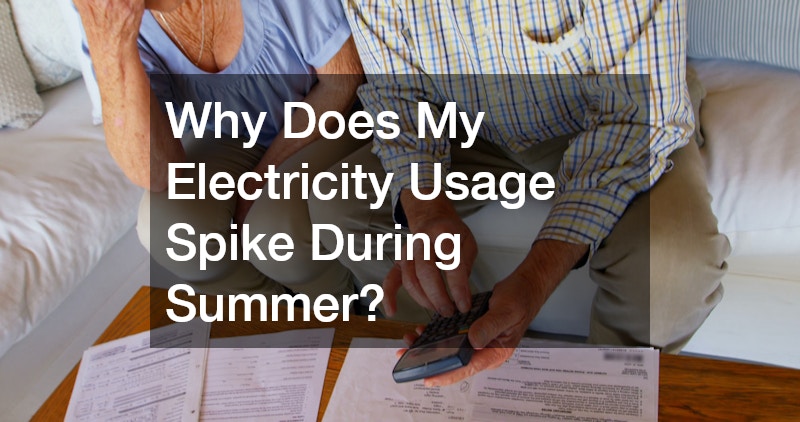
Electricity usage tends to increase dramatically during warmer months, and understanding why is crucial for reducing summer bills. Several household factors contribute to higher energy consumption during this season.
The Impact of Air Conditioning
Air conditioning units are often the largest contributors to summer electricity spikes. Central air systems run for extended periods to maintain comfortable indoor temperatures, consuming significant energy. Even portable or window units can draw substantial power when operating continuously.
Increased Refrigerator Usage
During hot weather, refrigerators work harder to keep food at safe temperatures. Frequent door openings and storing more perishable items lead to longer operating cycles. Consider upgrading to energy-efficient models or adjusting temperature settings for optimal efficiency. Newer appliances often include energy-saving modes that reduce electricity usage without compromising food safety.
Devices Running Round-the-Clock
Electronics, including computers, streaming devices, and smart home equipment, often remain plugged in and operating even when not in active use. Phantom energy consumption can add up quickly. Smart power strips or unplugging devices when idle can significantly reduce unnecessary electricity draw.
Extended Use of Fans
While ceiling or floor fans use less energy than air conditioning, leaving them on in unoccupied rooms can add to overall electricity consumption. Fans should be used strategically in occupied areas, and energy-efficient models can provide cooling benefits at a fraction of the cost of other devices.
How Does Poor Insulation Raise Utility Bills?
Insulation plays a crucial role in maintaining indoor temperature and reducing energy costs. Homes with inadequate insulation or drafty areas often experience higher utility bills, especially during extreme temperatures.
Signs of Ineffective Insulation
Common indicators of poor insulation include uneven temperatures across rooms, cold spots in winter, and overheated areas in summer. Another sign is condensation forming on windows or walls, suggesting heat transfer. Homes built decades ago or with little attention to thermal efficiency may require a full insulation assessment.
Heat Loss During Winter
During colder months, heat escapes through poorly insulated walls, ceilings, and attics. This forces heating systems to operate longer to maintain comfort, increasing electricity and gas bills. Modern solutions, such as spray foam insulation, provide superior sealing and thermal performance, reducing energy loss substantially.
Air Leaks and Drafts
Air leaks around windows, doors, and vent openings can undermine insulation efforts. Drafts cause HVAC systems to run more frequently, driving up costs. Even a poorly sealed garage door can allow cold or hot air into your home, forcing your heating or cooling system to work harder. Simple upgrades like weatherstripping or insulated garage doors can make a measurable difference in utility bills.
Solutions for Better Insulation
Upgrading insulation is a long-term solution for reducing energy costs. Homes with uninsulated attics or basements may benefit most from spray foam insulation due to its superior air-sealing properties. Window replacements with double or triple panes also improve efficiency by minimizing heat transfer.
Cost-Benefit Analysis of Upgrading Insulation
While insulation upgrades require upfront investment, the long-term savings on electricity and heating bills often justify the cost. Combining home improvements, such as spray foam insulation and high-quality window replacements, can reduce energy consumption and improve overall comfort.
Could Outdated Appliances Be Costing Me More?
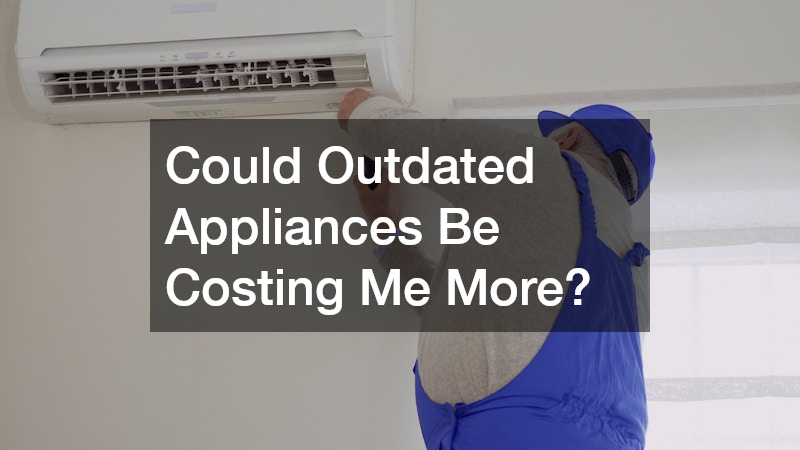
Older appliances tend to consume more energy than newer, energy-efficient models, directly impacting utility bills. Evaluating appliance efficiency can uncover hidden costs.
Inefficiency of Older Models
Outdated refrigerators, washers, dryers, and even kitchen stoves often operate on outdated technology, drawing more electricity to perform the same functions as modern devices. This inefficiency can account for a significant portion of monthly energy expenses, especially when multiple old appliances are in continuous use.
Energy-Star Rated Appliances
Upgrading to Energy-Star rated appliances is an effective way to reduce energy consumption. These appliances are designed to perform the same tasks while using less electricity, leading to long-term cost savings. Energy-efficient models for refrigerators, dishwashers, and laundry machines can make a noticeable difference in utility bills over several years.
Calculating Potential Savings
Homeowners can calculate potential savings by comparing the energy consumption of their current appliances to newer models. Factoring in usage patterns, electricity rates, and the lifespan of appliances helps make informed decisions about replacements. Many local water well drilling services and plumbing services also provide guidance on energy-efficient appliances for water systems, which can further reduce utility costs.
Case Scenarios: Fridge, Washer, and Dryer
Replacing an old refrigerator with an Energy-Star rated model can save several hundred kilowatt-hours annually. Similarly, upgrading washers and dryers reduces electricity and water use. Considering the cumulative effect of multiple appliance upgrades reveals the potential for substantial savings on utility bills.
Making the Right Investment Choices
What Role Do Leaky Faucets and Running Toilets Play?
Water leaks are an often-overlooked contributor to high utility bills. Even minor drips can add up over time, increasing both water and electricity expenses when water heaters work harder to maintain hot water.
Identifying Leaks and Drips
Regular inspections for dripping faucets, running toilets, and small pipe leaks can reveal sources of wasted water. Common areas include under sinks, near water heaters, and at visible pipe joints. Detecting these leaks early prevents water damage and reduces costs.
Water Wastage and Cost Implications
A running toilet can waste thousands of gallons of water per year, translating into higher water bills. Leaking faucets, though smaller in scale, also contribute to rising utility costs. Even low-volume leaks add up over time, especially in households with multiple bathrooms.
Quick Fixes for Leaks
Many minor leaks can be addressed with basic plumbing skills, including replacing washers, tightening connections, or adjusting float valves. Simple repairs prevent further water wastage and reduce strain on water heaters. For complex issues, professional plumbing services provide long-lasting solutions.
When to Call a Professional Plumber
Persistent leaks or problems with water pressure often require professional intervention. Licensed plumbers not only fix issues efficiently but also provide advice on long-term water conservation strategies. Local water well drilling services may also assist in maintaining consistent water pressure for homes relying on private wells.
Investing in Low-Flow Fixtures
Installing low-flow faucets, showerheads, and toilets reduces water usage without sacrificing comfort. This approach conserves water, lowers energy bills, and contributes to sustainable living practices over the long term. Combining these upgrades with regular inspections ensures maximum efficiency.
Is My Utility Provider Overcharging Me?
Sometimes high bills are not due to household usage but rather errors or inefficiencies in billing. Understanding and monitoring bills can prevent overpayment.
Understanding Your Utility Bill
Utility bills often contain complex details about usage, rates, and additional fees. Understanding each section helps identify unusual charges or unexpected spikes. Consumers should review bills regularly to track patterns and detect discrepancies.
Comparing Rates and Plans
Switching plans or providers may result in lower overall bills. Comparing rates, peak usage charges, and time-of-use plans ensures that homeowners select the most cost-effective options.
Resolving Disputes With Providers
When discrepancies occur, contacting the utility provider and providing documented evidence usually resolves issues. Understanding the proper channels for dispute resolution prevents prolonged overpayment and encourages accountability.
Can Lighting Choices Affect My Bill?
Lighting is a significant contributor to electricity consumption, and choices in lighting technology can have a substantial impact on utility bills.
Energy Consumption of Different Bulbs
Incandescent bulbs consume much more electricity than LEDs or compact fluorescent lights. Even small changes, such as replacing high-wattage bulbs in frequently used areas, can yield measurable savings.
Benefits of LED Bulbs
LED bulbs are highly energy-efficient, long-lasting, and cost-effective. Upgrading lighting throughout a home not only reduces electricity consumption but also minimizes the need for frequent replacements, saving money on both energy and maintenance.
Optimizing Natural Light Usage
Maximizing daylight reduces reliance on artificial lighting. Strategic placement of windows, window replacements, and reflective surfaces can brighten rooms naturally, lowering electricity use.
Eliminating Phantom Energy
Many devices, including chargers and electronics, draw power even when turned off. Smart power strips and unplugging devices prevent phantom energy consumption, further reducing bills.
Smart Lighting Solutions
Smart lighting systems allow for automated control of brightness and timing, optimizing energy usage. Integration with home automation or energy management systems ensures lighting is used only when needed.
How Do Heating and Cooling Systems Impact Costs?
Heating and cooling account for a large portion of household energy bills. Efficient operation and maintenance are key to controlling these costs.
Efficiency of HVAC Systems
Older or poorly maintained HVAC systems use more electricity to achieve the same comfort level as newer units. Regular inspections and system upgrades improve efficiency and reduce overall energy consumption.
Regular Maintenance Importance
Routine maintenance, such as cleaning filters, inspecting ductwork, and servicing units, ensures HVAC systems operate optimally. Air duct cleaning and repair contractors can help improve airflow and system performance, lowering utility bills.
Upgrading for Efficiency
Investing in energy-efficient HVAC systems pays off over time. Heat pumps, high-efficiency furnaces, and modern air conditioners reduce electricity usage while maintaining comfort.
Thermostat Settings and Energy Savings
Programmable thermostats help regulate temperature based on occupancy, reducing energy waste. Small adjustments, such as lowering heating at night or raising cooling setpoints, significantly impact electricity consumption.
Alternative Heating/Cooling Options
Supplementary options like ceiling fans, evaporative coolers, and strategic ventilation reduce reliance on central HVAC systems. Consulting with a roofing company about attic ventilation and insulation can further enhance system efficiency.
How Much Does My Water Heater Contribute?
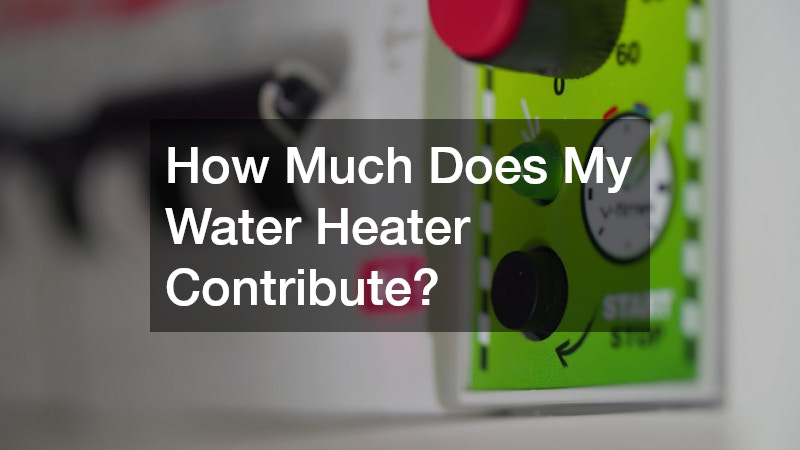
Water heating is a major energy consumer in most homes, and managing this component can substantially lower utility bills.
Types of Water Heaters and Cost Implications
Traditional tank water heaters maintain large volumes of hot water, consuming energy even when not in use. Tankless and hybrid systems heat water on demand, reducing energy waste. Selecting the appropriate type depends on household size, usage patterns, and energy goals.
Importance of Temperature Settings
Maintaining water heater temperatures at safe yet efficient levels prevents unnecessary energy use. Overly high settings increase electricity consumption and risk scalding, while moderate temperatures provide comfort and efficiency.
Regular Maintenance Tips
Flushing tanks, inspecting anode rods, and checking for leaks ensure water heaters operate effectively. Combining maintenance with plumbing services helps maintain consistent performance and energy efficiency.
Energy-Efficient Alternatives
Modern water heaters, including tankless and solar-powered units, significantly reduce electricity usage. Evaluating long-term savings versus upfront costs helps homeowners make informed decisions about upgrades.
Are There Government Programs That Can Help Reduce My Bill?
Several government and local programs provide financial assistance, rebates, or incentives for reducing energy consumption.
Energy Assistance Programs
Programs exist to help low-income households cover utility costs during periods of high consumption. Eligibility requirements vary by location but provide immediate financial relief for struggling families.
Incentives for Efficient Appliance Purchases
Many regions offer rebates for purchasing energy-efficient appliances. These programs encourage homeowners to replace outdated equipment, resulting in lower utility bills and reduced environmental impact.
Tax Credits and Rebates
Tax credits for energy-efficient home improvements, such as spray foam insulation or window replacements, provide additional savings. Homeowners can reduce installation costs while improving long-term energy efficiency.
Applying for Weatherization Assistance
Weatherization programs provide funding or support for home improvements, including insulation upgrades, air sealing, and other efficiency measures. Local water well drilling or plumbing services may participate in these programs to optimize home water systems.
Local Programs and Resources
Municipal or regional initiatives often collaborate with a gutter cleaning business, pest control companies, and other service providers to implement energy-saving measures in homes. Leveraging these local resources enhances efficiency while supporting community-based solutions.
What Are the Behavioral Changes That Can Lower My Bill?
Beyond appliances and infrastructure, household behavior plays a significant role in energy consumption. Making small adjustments can yield significant savings.
Reducing Standby Power Usage
Unplugging electronics, adjusting power settings, and using smart power strips minimizes standby energy consumption. These small steps cumulatively reduce electricity usage without affecting comfort.
Effective Use of Programmable Thermostats
Programming thermostats for occupancy patterns ensures heating and cooling only occur when necessary. Fine-tuning schedules seasonally optimizes energy savings without sacrificing comfort.
Conserving Water Effectively
Simple actions like fixing leaks, reducing shower times, and using low-flow fixtures lower water and heating costs. Plumbing services can guide homeowners on practical conservation strategies tailored to their homes.
Season-Wise Usage Adjustments
Adjusting appliance and HVAC usage based on seasonal needs prevents unnecessary energy consumption. For instance, relying on natural ventilation in spring and fall reduces air conditioning costs.
Encouraging Household Habits for Savings
Encouraging all household members to adopt energy-conscious behaviors ensures consistent reductions in utility bills. Small lifestyle changes, such as closing doors, using fans instead of AC, and managing lighting, have a cumulative impact.
By understanding these key contributors to high utility bills, consumers can take proactive steps to manage and reduce costs effectively. From seasonal electricity spikes to outdated appliances and insulation issues, identifying the root causes allows for targeted solutions. Incorporating energy-efficient upgrades like spray foam insulation, window replacements, and modern water heaters, along with behavioral changes, produces long-term savings. Consulting professionals, such as air duct cleaning and repair contractors, roofing companies, plumbing services, local water well drilling experts, gutter cleaning businesses, pest control companies, and electrical distributors online, ensures that improvements are both effective and sustainable. Adopting these strategies leads to significant reductions in utility expenses while promoting energy-conscious and environmentally responsible living.