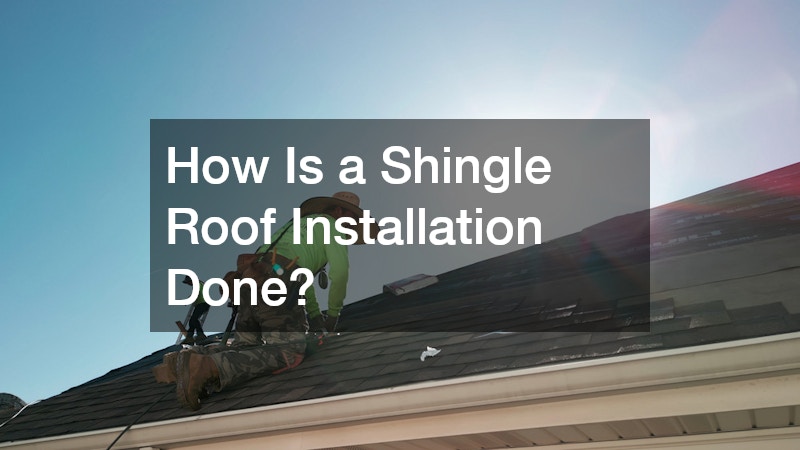
The process of installing a shingle roof can seem daunting, but it is a task that many homeowners may need to undertake at some point due to wear and tear or storm damage. Shingle roofs are popular due to their affordability, aesthetic versatility, and relative ease of installation. Understanding the steps involved in a shingle roof installation can not only help homeowners appreciate the craftsmanship involved but also prepare them for the task if they wish to DIY or manage a roofing contractor. In this blog post, we will explore the detailed steps involved in shingle roof installation, from preparation to finishing touches.
The first step in any successful shingle roof installation is to thoroughly prepare the roof decking. This means ensuring that the existing structure is sound and free from any damage that could affect the new shingles’ longevity. Before any materials are laid down, it’s crucial to inspect for rot, warping, or holes that may have developed over time. If any issues are found, they must be repaired to create a solid base. Proper ventilation is also essential; it allows air circulation, which can prolong the life of both the roof and the shingles. Once all preparations are made, homeowners can confidently move forward with the installation.
Next, it’s time to install underlayment, which is a critical layer that serves as a moisture barrier. This underlayment, usually a felt paper or a synthetic alternative, is installed directly over the roof decking to protect against water infiltration. The edges of the underlayment should overlap, and the material should extend beyond the eaves by a few inches. This step is crucial in preventing water from seeping beneath the shingles and causing potential damage. After the underlayment is in place, the next part of the process is to install the drip edge, a metal flashing that is installed along the eaves and rakes. This offers additional protection from water damage, guiding water away from the roof’s edges.
Once the underlayment and drip edge are installed, it’s time to lay the shingles. This process begins at the roof’s eaves, where the first row of shingles—the starter shingles—is placed. Starter shingles are shorter than standard shingles and are essential in providing a solid base layer that prevents water from seeping under the primary shingles. The installation should follow a staggered pattern or a specific layout, depending on the type of shingles being used. Proper nailing technique is also vital; nails should be placed below the adhesive strip and driven in just enough to secure the shingle without breaking the material. This step can be labor-intensive, but meticulous attention during this phase will ensure a durable roof that stands the test of time.
As the installation progresses, attention must be paid to details such as valleys, ridges, and vents. Valleys are areas where two roof planes meet and require special attention to ensure they are waterproofed effectively. Flashing is usually installed here to guide water off the roof safely. The installation of roofing vents is also essential for ensuring proper air circulation within the attic, reducing moisture buildup that could degrade the roof over time. After addressing the valleys and other intricate areas, the final touches can be put on the roof, which may include installing ridge caps to ensure water runs off the shingles effectively. This step elevates the completed look of the roof and serves as an additional waterproof layer.
Finally, once all shingles and accessories are installed, it’s crucial to conduct a thorough inspection of the entire roofing system. This includes checking every seam, flashing, and nailing point to ensure nothing has been overlooked. A responsible professional will walk through the installation and inspect everything to confirm that it meets quality standards. Once inspection checks are complete, it’s time to clean up the work area, removing any debris or leftover materials. This final step makes the roof installation not only complete but also showcases a professional appearance. Properly installed shingle roofing can last for decades when maintained correctly, representing a solid investment for homeowners looking to enhance their property.
In conclusion, the process of installing a shingle roof is intricate but achievable with the right preparation and attention to detail. From preparing the roof decking to the installation of underlayment, drip edges, and the shingles themselves, every step plays a vital role in the overall integrity of the roofing system. Understanding each phase can empower homeowners, whether they choose to DIY or hire a professional. With the right tools and clear instructions, shingle roof installation can be a rewarding project that not only protects a home but also enhances its curb appeal. Whether you’re replacing an old roof or engaging in new construction, knowing how to perform a shingle roof installation is invaluable.