Hiring the right roofing company is one of the most important decisions a homeowner can make. Your roof protects your home, belongings, and family, so choosing the wrong contractor can lead to costly repairs, delays, and unnecessary stress. With so many options available, it’s essential to know what separates a dependable professional from an unreliable one.
By understanding the key factors to evaluate before signing a contract, you can confidently move forward knowing your investment is protected. Below are five critical things to look out for when selecting a contractor for your roofing needs.
1. Proper Licensing and Insurance
Licensing is a foundational requirement that demonstrates a contractor’s legitimacy and adherence to local building regulations. Licensed contractors have typically met experience requirements and passed examinations that validate their knowledge of industry standards. Working with a licensed roofing company also offers added protection, as they are accountable to regulatory agencies if issues arise.
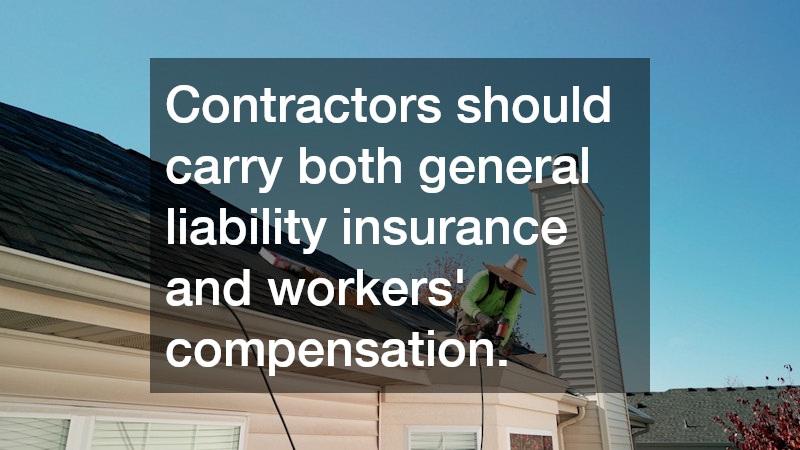
Equally important is insurance coverage. Contractors should carry both general liability insurance and workers’ compensation. Liability insurance protects your property if accidental damage occurs during the project, while workers’ compensation prevents homeowners from being held financially responsible if a worker is injured on the job. Always ask for proof of both and take the extra step to verify that the policies are current and valid.
2. Reputation and Industry Experience
A contractor’s reputation speaks volumes about the quality of work you can expect. Online reviews, testimonials, and word-of-mouth referrals provide valuable insight into customer experiences. Consistently positive feedback often highlights professionalism, quality craftsmanship, and dependable communication, while repeated complaints can indicate ongoing issues.
Experience is another key consideration. Contractors who have been in business for many years have likely encountered a wide range of roofing challenges and developed effective solutions. Longevity in the industry also suggests financial stability and the ability to stand behind their work. An experienced team is better equipped to recommend suitable materials, anticipate potential problems, and deliver results that last.
3. Clear Warranties and Guarantees
Warranties play a major role in protecting your roofing investment. A reputable contractor should clearly explain what warranties are included and what they cover. These may include manufacturer warranties for materials and workmanship warranties for installation quality.
Manufacturer-backed warranties typically cover defects in roofing materials, while contractor-backed warranties address errors related to installation. Having both provides comprehensive protection. Be sure to review all terms and conditions carefully, paying attention to coverage length, maintenance requirements, and claim procedures. A trustworthy roofing company will be transparent about warranty limitations and willing to answer questions before work begins.
4. Transparent Pricing and Written Estimates
Pricing transparency is essential when evaluating potential contractors. A professional should provide a detailed, written estimate that clearly outlines labor costs, materials, timelines, and any potential additional charges. Vague or verbal estimates can lead to misunderstandings and unexpected expenses later on.
Be cautious of bids that seem significantly lower than others. While affordability is important, unusually low pricing may indicate substandard materials, rushed labor, or hidden fees. A fair estimate reflects the true scope of work and demonstrates honesty. Taking the time to compare multiple written estimates helps ensure you’re receiving both quality service and fair value.
5. Communication and Project Management
Strong communication is often overlooked but plays a vital role in a successful roofing project. From the initial consultation to final cleanup, the contractor should be responsive, clear, and professional. This includes answering questions promptly, explaining project timelines, and keeping you informed of progress or delays.
Ask who will be managing the project and serving as your main point of contact. A well-organized contractor will have a clear plan for scheduling, material delivery, and jobsite cleanup. Reliable communication helps prevent confusion and ensures expectations are aligned from start to finish. When a contractor prioritizes communication, the entire process tends to be smoother and more efficient.
Choosing the right roofing company requires more than selecting the first name you find online. By evaluating licensing and insurance, reputation and experience, warranties, pricing transparency, and communication practices, homeowners can make informed decisions with confidence. Taking the time to assess these factors reduces risk and increases the likelihood of a successful outcome.