
Your roof does far more than sit on top of your property. It protects your structure from water intrusion, insulation failure, mold growth, pest infestations, and even structural instability. Yet for many homeowners and commercial property managers, roofing decisions are often delayed until a visible leak forces action.
Roof repair and roof replacement are significant investments, and making the right decision requires more than reacting to surface damage. It involves understanding material lifespans, structural components, ventilation systems, insulation performance, and long-term cost planning. In this comprehensive guide, you’ll learn how to evaluate roof damage properly, decide between repair and replacement, select materials wisely, manage installation, and protect your investment for decades to come.
How to Tell If Your Roof Needs Repair or Full Replacement
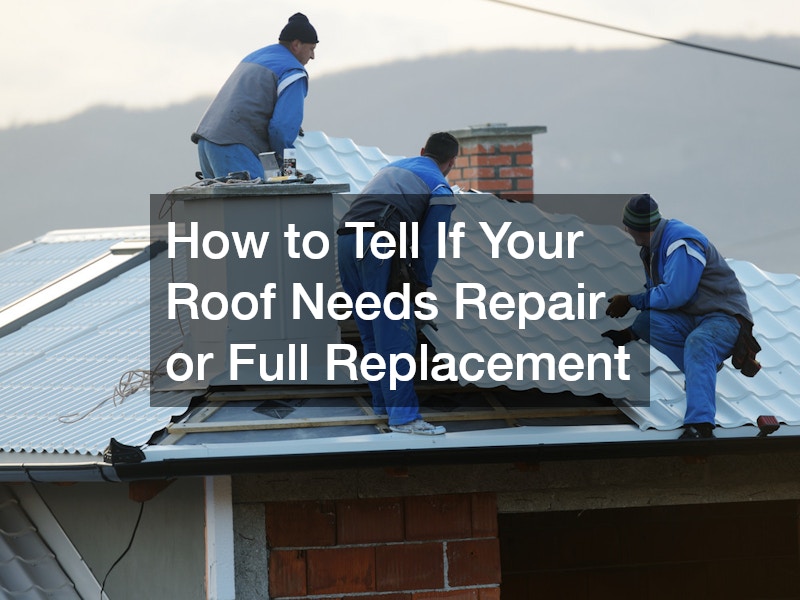
One of the most significant mistakes homeowners or property owners tend to make when it comes to their roofs is the assumption that any leak encountered automatically signals the need for a complete roof replacement. On the other hand, some make the error of believing that a simple patch will address all roofing problems thoroughly. The reality of these situations is often found between these two extremes and is dependent on several key factors, including the age of the roof in question, the extent or scope of the damage observed, and the current condition of the underlying structural components such as the decking.
In numerous scenarios, local roof repairs can be sufficiently effective if the damage is limited to a specific area. For instance, suppose an intense storm recently passed through and managed to dislodge only a few shingles while leaving the rest of the roofing system intact and structurally sound. In such a case, having a professional carry out repairs can restore the integrity of the roofing system without necessitating a full roof replacement. Similarly, when damage is observed due to minor issues such as damaged flashing around a chimney or a vent stack, these can often be corrected with minimal disruption to the overall system.
However, it is essential to note that if your roof is nearing the end of its normal lifespan—which is generally about 20 to 30 years for asphalt shingles—repeated repairs might turn into a temporary fix rather than a long-term solution. Resorting to ongoing small patches could end up costing more in terms of finances and time in the long run, as opposed to opting for a complete replacement. Signs such as widespread granule loss on shingles, noticeable sagging in rooflines, persistent leaks occurring in several different areas, or detection of soft decking during inspections are strong indicators that having a full replacement might be the most practical and financially wise choice.
To make well-informed decisions concerning roofing repairs or replacement, it is crucial to have experienced roofers conduct extensive evaluations that go beyond merely looking at the visually obvious shingles. An in-depth inspection should involve aspects such as assessing attic ventilation systems, checking insulation for moisture retention, evaluating the condition of underlayment materials, inspecting the integrity of flashing, and examining the state of structural decking thoroughly. This meticulous review can often reveal whether the damage is merely cosmetic, confined to a smaller area, or indicative of a larger systemic issue. Always insist on receiving detailed written estimates that clearly outline the specific elements being repaired or replaced and provide the justification for these actions. By comparing not only the pricing but also the envisaged scope of work, you’ll be able to ensure that you are making well-informed decisions based on comprehensive insights.
Understanding Roofing Materials and Choosing What’s Right for Your Property
Selecting roofing materials is about more than curb appeal. The right choice affects durability, maintenance frequency, energy performance, and even insurance premiums.
Asphalt shingles remain the most common residential roofing material because they are affordable, widely available, and relatively easy to install. Architectural shingles offer improved durability and aesthetic depth compared to traditional three-tab options. However, they generally last between 15 and 30 years depending on climate and maintenance.
Metal roofing has grown significantly in popularity due to its longevity and energy efficiency. Properly installed metal roofs can last 40 to 70 years. They reflect solar heat, reducing cooling costs in warm climates, and shed snow effectively in colder regions. While the upfront investment is higher than asphalt, long-term maintenance costs are often lower.
Tile and slate roofing systems provide exceptional durability and can last 50 years or more, but they require structural support due to their weight. These materials are often chosen for architectural style and long-term permanence.
For commercial properties, flat or low-slope roofing systems such as TPO, EPDM, and modified bitumen are common. Each has specific advantages depending on building use, climate exposure, and foot traffic requirements.
When choosing materials, consider not only initial cost but lifecycle cost. A cheaper roof replaced twice over 40 years may cost more than a higher-quality system installed once.
What Actually Happens During a Roof Replacement
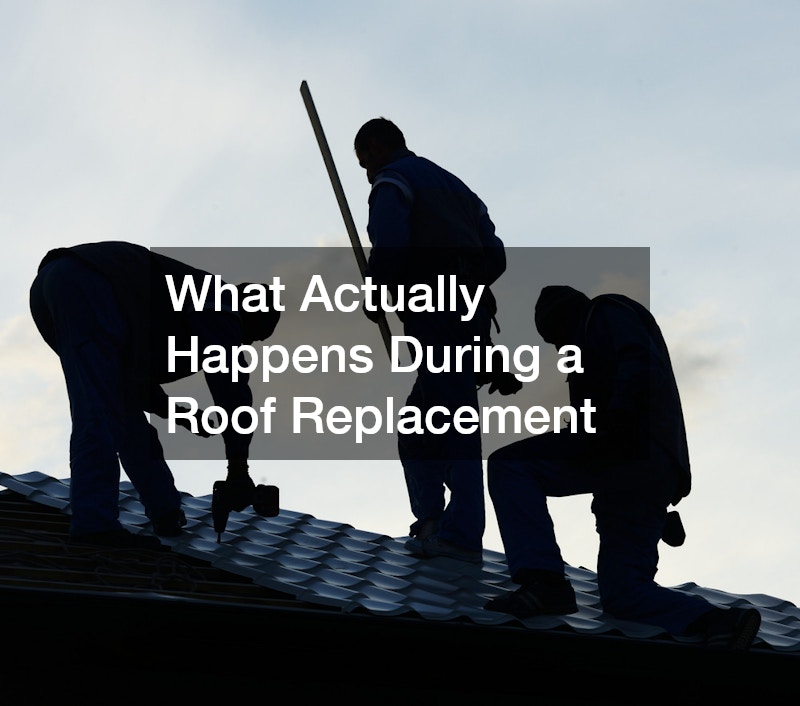
Many property owners are surprised by how detailed and structured the roof replacement process truly is. Understanding what happens behind the scenes helps you plan realistically and avoid unnecessary stress.
The first step typically involves securing proper permit services. Building permits ensure that your roof meets local safety codes and structural requirements. Skipping permits can create complications during property resale or insurance claims, so compliance is critical.
For larger properties or mixed-use developments, involving professionals experienced in residential commercial construction management can streamline the process. These specialists coordinate scheduling, inspections, subcontractors, and material deliveries to minimize delays and disruptions.
Once work begins, contractors typically remove existing shingles down to the decking. This “tear-off” method allows inspection of structural components. If decking shows signs of rot or moisture damage, sections are replaced before new underlayment is installed.
Next comes installation of water barriers, underlayment, flashing around penetrations, and finally the roofing material itself. Proper ventilation systems are installed or upgraded to ensure airflow through attic spaces, preventing moisture buildup and extending the life of the new roof.
The project concludes with a final inspection and cleanup. Reputable contractors conduct magnetic sweeps to remove stray nails and debris. The end result should leave your property secure, weather-tight, and clean.
Budgeting Smartly and Avoiding Unexpected Costs
Roof replacement is one of the larger investments a property owner will make, so careful budgeting is essential. Costs vary widely depending on roof size, pitch, material, and geographic location.
Steeper roofs require more labor and safety precautions, increasing costs. Complex architectural designs with dormers, skylights, or multiple valleys also add labor time. If structural repairs are uncovered during tear-off, those expenses can increase the total investment.
The lowest bid is not always the best option. Contractors offering unusually low estimates may cut corners with substandard materials, insufficient underlayment, or inexperienced labor. Always review warranty details carefully. Manufacturer warranties cover materials, but workmanship warranties cover installation quality. Both are important.
If your roof damage is storm-related, insurance may cover part or all of the replacement. Document damage thoroughly and schedule inspections promptly. Some contractors also offer financing options, allowing homeowners to spread payments over time.
Planning your roof replacement proactively—rather than waiting for emergency leaks—can prevent inflated pricing during peak seasons.
Improving Energy Efficiency During Roof Replacement
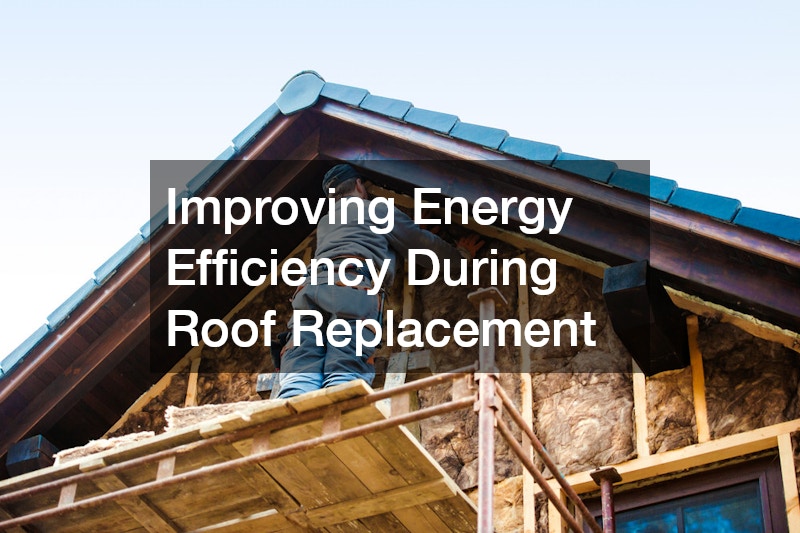
A new roof is the ideal time to address energy efficiency. Roofing and insulation systems work together to regulate indoor temperature and moisture control.
Partnering with a home insulation service during roof replacement ensures that your attic insulation meets current efficiency standards. Inadequate insulation allows heat to escape in winter and enter in summer, increasing energy bills and reducing indoor comfort.
Upgrading attic insulation while the roof is being replaced can be more cost-effective than doing so separately. Proper ventilation systems installed during roofing also help regulate moisture levels, reducing mold risk and extending material lifespan.
Energy-efficient roofing materials, such as reflective metal panels or cool roof shingles, can significantly reduce heat absorption in warmer climates. Over time, these improvements lower utility costs and contribute to a more sustainable property.
Special Considerations for Commercial Roof Repair and Replacement
Commercial roofing projects involve unique challenges compared to residential properties. Flat roofs, large surface areas, rooftop equipment, and operational concerns all require specialized planning.
Experienced commercial roofers understand membrane systems such as TPO, EPDM, and modified bitumen. These materials require precise installation techniques to prevent seam failure and water pooling.
Working with a reputable commercial construction company ensures that roofing projects are coordinated with HVAC units, drainage systems, and business operations. Phased installation can reduce operational downtime and protect interior assets.
Commercial roofs also benefit from routine maintenance programs. Scheduled inspections and minor repairs can extend system lifespan by several years, delaying costly full replacements.
Addressing Exterior Structural Issues Alongside Roofing
Roof problems are sometimes symptoms of broader building envelope issues. Water intrusion can originate from deteriorating masonry, cracked mortar joints, or damaged exterior walls.
In such cases, combining roofing improvements with facade restoration provides comprehensive protection. Repairing exterior walls prevents moisture from entering behind roofing materials and compromising structural integrity.
A professional tuckpointing service may also be necessary if mortar joints between bricks have deteriorated. Replacing failing mortar prevents water infiltration and reinforces structural stability. Coordinating these improvements with roof replacement ensures long-term protection rather than temporary fixes.
Sustainable Roofing and Responsible Disposal
Roof replacement produces significant debris, but environmentally responsible practices can reduce landfill waste.
Many contractors participate in metal recycling programs, repurposing old flashing, panels, and fasteners. Asphalt shingles are sometimes recycled into road construction materials, further reducing environmental impact.
Choosing durable, energy-efficient materials also contributes to sustainability by reducing the frequency of replacement and lowering energy consumption. Investing in longevity benefits both your property and the environment.
Hiring the Right Contractor for Long-Term Success
The quality of installation determines how well your roof performs over time. Even the best materials fail if improperly installed.
Research contractors thoroughly. Verify licensing, insurance coverage, and local references. Read reviews and ask detailed questions about timelines, supervision, and contingency plans. A transparent contractor will provide clear written contracts outlining scope, materials, costs, and warranty details.
Communication throughout the project is just as important as craftsmanship. Reliable contractors maintain regular updates and address concerns promptly.
Building a Long-Term Roof Maintenance Plan
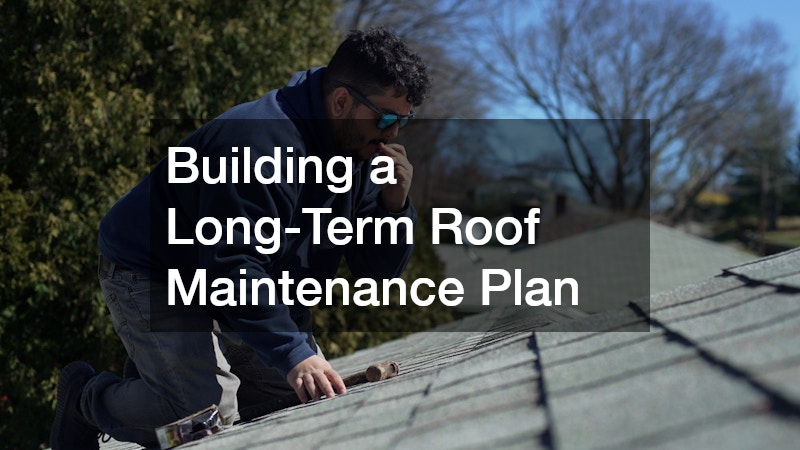
Once you have undertaken the important task of repairing or replacing your roof, it becomes crucial to engage in regular maintenance activities to safeguard your valuable investment in your home. This not only helps in preserving the structural integrity and aesthetic appeal of your roof but also ensures that you avoid unexpected and expensive repairs in the future. Engaging in seasonal inspections forms a foundational part of this maintenance routine. During these inspections, you can identify potential minor issues at an early stage before they have the opportunity to develop into more significant and costly problems. For example, you might discover loose shingles or small leaks that can be easily fixed now rather than waiting until they lead to bigger issues.
Engaging in additional maintenance activities such as cleaning your gutters ensures that rainwater can flow properly, which helps in preventing water buildup and damage to your roof’s underlying structures. Trimming branches that overhang your roof is critical as these can not only scratch and abrade roofing materials during windy conditions but can also break off and cause physical damage during storms. Furthermore, it is of utmost importance to check your roof’s flashing. This is particularly vital after major storms, as the flashing protects vulnerable areas around chimneys, skylights, and vents where water might otherwise seep in.
To complement these efforts, arranging for professional inspections on a yearly or bi-annual basis provides an added layer of assurance. These professionals bring the expertise needed to evaluate every aspect of your roof’s condition, including issues that may not be immediately apparent to the untrained eye. By addressing small problems identified during these inspections promptly, you contribute significantly to extending the lifespan of your roof. This proactive approach reduces overall maintenance-related expenses by preventing situations that might necessitate extensive and expensive repairs. Ultimately, this carefully considered maintenance routine not only maintains the value and function of your home but also gives you peace of mind.
Roof repair and replacement are not merely construction projects—they are long-term investments in safety, energy efficiency, and property value. By understanding when to repair versus replace, choosing durable materials, coordinating installation properly, and committing to ongoing maintenance, you ensure your roof performs reliably for decades. Proactive planning and informed decision-making transform roofing from a stressful emergency into a strategic improvement—protecting your property, your finances, and your peace of mind for years to come.