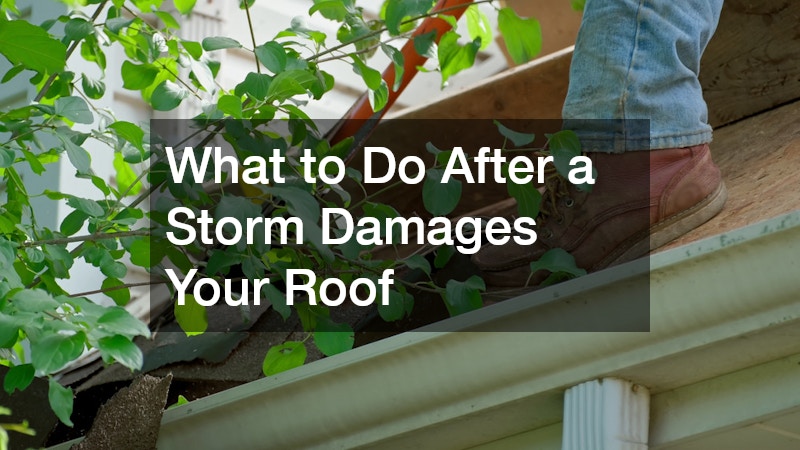
Understanding the steps to take after a storm damages your roof is crucial in preventing further issues and ensuring speedy repairs. A roof plays a pivotal role in sheltering your home from the elements, and any damage it incurs can quickly escalate into larger, more costly concerns if not addressed promptly. This guide addresses common concerns, offering practical steps to protect your home, navigate insurance claims efficiently, and make informed decisions about repair or replacement. With an accurate diagnosis of the damage and timely actions, homeowners can safeguard their investment effectively. By elucidating each phase of post-storm recovery for your roof, this article aims to provide a comprehensive roadmap for homeowners facing this challenging situation.
How to Assess Damage to Your Roof?
Visual Inspection from the Ground
After a storm, the first step in assessing the damage is performing a visual inspection from the safety of the ground. Look for obvious signs like missing shingles, debris buildup, sagging roof edges, and visible water stains. It’s crucial not to climb onto the roof immediately after a storm due to the risk of structural damage. Using binoculars can be beneficial to get a clearer view of less obvious damage without compromising personal safety. Always document your observations with photos, as these will be invaluable for any insurance claims you may need to file.
Identifying Signs of Structural Damage
Structural damage is more severe and often requires immediate attention to prevent further compromise to the roof and the home itself. Look for bent or misshapen rooflines and large, visible gaps that were not present before the storm. You may also notice doors and windows jammed or misaligned, indicating shifts in the foundational integrity. Additionally, water spots on ceilings and walls inside the house signal potential leaks caused by structural breaches. Engaging a professional for a thorough evaluation is advisable if any of these signs are detected, ensuring safety and proper resolution.
Documenting the Damage for Insurance Purposes
Accurate and detailed documentation of roof damage is essential for insurance claims. Start by taking comprehensive photographs of all visible destruction seen during your ground inspection. It’s important to include timestamped photos for authenticity and traceable evidence. Make notes of what you see, use simple descriptions, and organize them chronologically to simplify the claim process. Creating a list that outlines the extent and estimated cost of damages can also streamline conversations with your insurance provider, ensuring a more efficient and hassle-free claim experience.
Should You Repair or Replace a Damaged Roof?
Assessing the Extent of the Damage
The decision to repair or replace a damaged roof hinges on the extent of the storm damage. Minor cosmetic issues may only require repairs, while extensive damage should prompt consideration of replacement for long-term stability and safety. Professional assessments often provide clarity, as an expert can gauge the remaining lifespan of the existing roofing materials. If over a quarter of the roof is compromised, replacement is usually the more economical option in the long run. Consider the potential for future damage and the fact that an updated, robust roof can enhance energy efficiency.
Comparing Costs: Repair vs Replacement
Financial implications invariably accompany the decision to repair or replace a roof. Repairs typically have a lower upfront cost but may not be cost-effective if frequent maintenance is required thereafter. Replacements, while costlier initially, can prove more economical over time and add significant value to the home. Consulting multiple estimates and projecting the costs over several years, taking into account factors such as material durability and weather conditions, can facilitate a well-informed decision. Analyzing cost benefits is paramount to choosing the most suitable solution for safeguarding your home.
Consulting a Roofing Professional
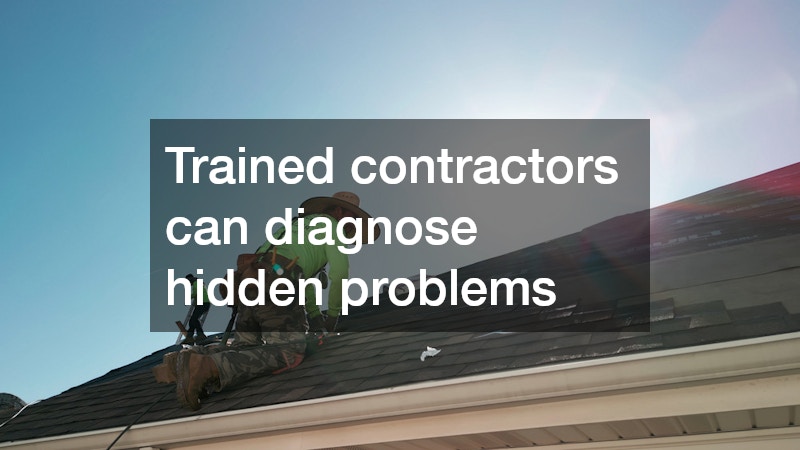
Consulting residential roofing contractors brings expertise and peace of mind to a potentially daunting process. Trained contractors can diagnose hidden problems, provide detailed repair or replacement plans, and foresee future issues based on the current condition of the roof. Opt for licensed and insured professionals with solid reviews and proven track records in storm-related repairs. Obtaining several quotes and recommendations ensures you’re receiving fair pricing and dependable service. Professional advice not only aids in immediate repairs but also helps in enhancing the longevity and performance of the new or repaired roof.
How Does Insurance Coverage Work for Roof Damage?
Understanding Your Policy Details
Insurance policies often vary significantly in terms of roof coverage, making it critical to understand your policy details thoroughly. Policies may cover full replacement, specific coverage limits, or even zero deductibles, depending on the terms agreed upon. Reviewing your coverage can protect against unexpected costs and assist in planning potential expenditures. Key policy elements include covered perils, deductibles, and the type of policy (actual cash value vs replacement cost), each impacting overall coverage and out-of-pocket expenses. Being well-informed about your policy ensures you can approach claims with confidence and avoid common pitfalls.
Filing a Claim Efficiently
Filing a claim efficiently requires cautious, systematic documentation and timely communication with your insurer. Start by contacting your insurance provider immediately and providing a preliminary report of the damage. Following up with photographic evidence and detailed notes further supports your claim and expedites the process. Keeping records of all communications and confirmations is essential for tracing claim progress and accountability. Proactivity in maintaining regular contact and promptly addressing any queries from the insurance company will facilitate a smoother, faster resolution of your claim.
A timely and knowledgeable response to roof damage post-storm is fundamental to maintaining home safety and property value. Whether deciding between repair and replacement or navigating insurance claims, informed decision-making is empowering. By understanding the complexities involved and leveraging professional resources, homeowners can navigate these challenges more confidently and ensure robust, long-lasting roof solutions. As highlighted throughout, precise evaluations and clarity in communication with insurers are crucial to resolving claims effectively. Ultimately, ensuring your home remains secure and protected after storm damage demands diligence, attention, and proactive measures.