This article explores the crucial considerations for homeowners when determining the right time to call in a residential roof replacement company. Understanding these key factors can help prolong the life of your roof and protect your home investment.
How do I know if my roof needs a replacement?
Identifying Signs of Wear and Tear
An aging roof doesn’t hide its flaws, and recognizing the signs of wear and tear is critical for homeowners. Noticeable indicators such as missing shingles, granule loss, or dark patches can suggest deterioration.
You might also observe sagging areas or water stains on the ceiling, signaling leaks. These symptoms typically indicate severe damage that may require a residential roof replacement. Addressing these issues promptly can prevent more extensive and costlier damage down the line.
Moreover, if routine maintenance no longer suffices to keep your roof in shape, consider it a warning sign. High repair frequency often indicates that the roof’s materials have reached their limits. Homeowners should evaluate the benefits of repair against the longevity offered by a new roof. Consulting a professional at this stage can assist in making an informed decision. Their expertise could help determine if patch repairs will suffice or if a full-scale replacement is necessary.
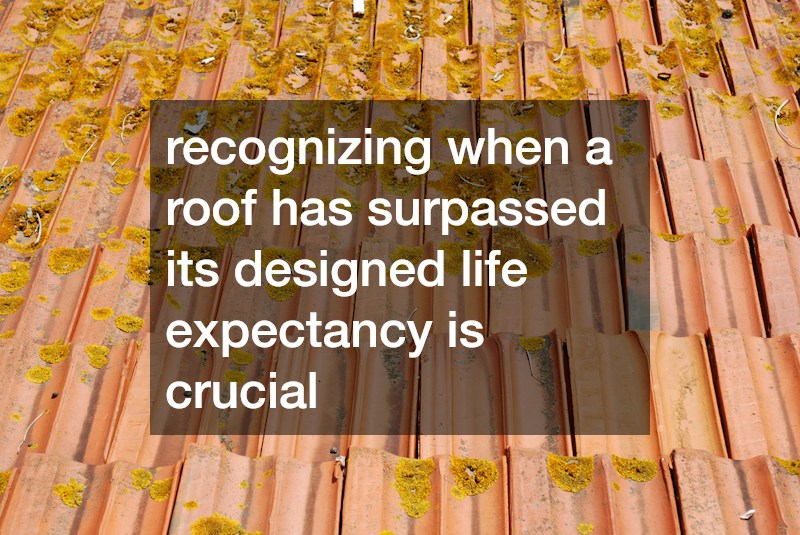
Furthermore, recognizing when a roof has surpassed its designed life expectancy is crucial. Most roofs last between 20 to 25 years, depending on materials and environmental conditions. If your roof is nearing or has surpassed this age, it might be time to contact a residential roof replacement company. Doing so ensures that your structure remains sound, offering continuous protection against the elements. Early action can safeguard against potential structural challenges and expensive repairs in the future.
Aging and Lifespan Considerations
Over time, every roof inevitably ages and loses some of its effectiveness. As roofs age, they may suffer from curling shingles, which can lead to further issues if not addressed. For older roofs, these problems can manifest more frequently, necessitating evaluation for replacement. Aging roofs not only lose their aesthetic appeal but also their ability to insulate and protect adequately. Consequently, assessing roof age becomes pivotal in deciding whether to undertake a residential roof replacement.
The lifespan of a roof is heavily influenced by the materials used and the climate where you reside. Various roofing materials, such as asphalt and wood, have differing longevity and weather resistance. This variability necessitates homeowners to stay vigilant and informed about the type of roof they possess. Local climate conditions, including temperature extremes and precipitation rates, further influence lifespan. Thus, understanding these factors enables homeowners to make timely decisions about roof replacement versus repair.
Finally, maintaining records of past repairs and roof inspections helps in making replacement decisions. These records offer insights into chronic or recurring issues that simple repairs cannot resolve. Learn to compare these data points with current roof conditions for a comprehensive evaluation. While repairs can extend a roof’s lifespan temporarily, replacement may provide long-term benefits. By consulting with a residential roof replacement expert, you can strategically plan your next steps toward a durable solution.
Weather-related Damage
Weather patterns present significant challenges to roof integrity, with severe storms, hurricanes, or hailstorms causing considerable damage. Wind can dislodge tiles or shingles, leaving structures vulnerable to further water intrusion. Hailstones might leave dents, cracks, or punctures that allow moisture to seep in. Quality repairs can manage moderate weather damage; however, extensive damage might necessitate a full replacement. Consulting a residential roof replacement company after extreme weather events ensures thorough reassessment for potential unseen damages.
Furthermore, snow accumulation on roofs poses risks of infiltration due to ice dams forming. This buildup could further compromise the roof as meltwater seeps underneath the shingles. Extended exposure to harsh sunlight in specific regions similarly degrades roofing materials through thermal cycling. Seasonal awareness of weather impacts is important to plan for repairs or renewals. Adequate, timely intervention can protect against further structural deterioration and maintain necessary home envelope integrity.
Proactive measures can safeguard your roof’s longevity, and recognizing the signs of weather-induced damage earlier is beneficial. Continuous exposure to adverse conditions will eventually compromise even the most resilient roof. Scheduling periodic inspections, especially after severe storms, helps detect and address issues promptly. Repairing weather-inflicted damage quickly and effectively ensures ongoing structural protection. A reputable residential roof replacement expert can guide you through the process of evaluating if repairs or replacements are appropriate.
What are the benefits of replacing my roof?
Enhanced Home Value
Replacing an old roof with a new one can significantly enhance your property’s value and curb appeal. A new roof rejuvenates the look of the house, offering potential buyers a visual assurance of investment protection. It signifies that one of the most critical components of a home has been strategically updated. Realtors agree that a well-maintained roof significantly increases marketability and potential resale value. Residential roof replacement is thus an investment that pays dividends when it comes time to sell.
Moreover, modern roofing technologies provide a variety of aesthetic choices that align with current market trends. These advancements allow you to select styles that complement your home’s architectural design and the neighborhood ambiance. Investing in a new roof can be a compelling selling point when buyers are evaluating multiple properties. In competitive real estate markets, having a new roof can set your home apart from others. Ultimately, the appeal lies not just in the durability but also in the contemporary vibe it provides.
Additionally, warranty offers with new roofs provide added value that appeals to prospective buyers. Contemporary warranties cover longer periods and broader issues, insulating homeowners from significant repair costs. These assurances give peace of mind to both current homeowners and future buyers. Hence, investigating the warranty terms when considering a roof replacement could be vital. Long-term protection provides not just security but also peace of mind to those who choose to invest significantly in roof upgrading.
Improved Energy Efficiency
A new roof is not just an aesthetic gain; it serves as an energy-efficient home improvement. Today’s roofs come equipped with enhanced insulation materials that effectively reduce energy consumption. Improved ventilation and reflective coatings contribute to reduced reliance on air conditioning systems. With rising utility costs, energy efficiency provides measurable benefits for homeowners over the long term. Consequently, a residential roof replacement can offer you significant savings on energy bills.
Advanced roofing materials reduce thermal transfer, creating more stable indoor temperatures. Reflective roofing options deflect intense sunlight, minimizing heat absorption into the home, particularly in sunny regions. Technologies like solar cells integrated into roofing shingles are now available, transforming roofs into energy-generating platforms. These innovations underscore the significant transformation possible with a roof upgrade, directly impacting the home’s carbon footprint. This effectiveness signifies more than energy savings; it marks sustainability in home improvement.
Beyond reducing costs, an energy-efficient roof enhances comfort within the home. Consistent temperature control mitigates issues like drafts or hot spots, creating an atmosphere of ease and relaxation. New roofing solutions allow homeowners to control how much energy enters or leaves a home based on seasons. This superior energy control leads not only to improved comfort but also enhanced home sustainability. It illustrates how residential roof replacement isn’t merely a structural reinforcement but an integral part of modern home management.
Summarizing the key insights presented in the article, timely decision-making regarding roof replacement is crucial for preserving home value and function. Recognizing when a roof necessitates replacement, understanding benefits in enhanced value and energy efficiency, and choosing the right contractor are all vital components. Equipping yourself with knowledge and guides offered here enables decisive, confident investments in residential roof replacement services. It is these actions that ensure sustained integrity and comfort in the heart of your home.