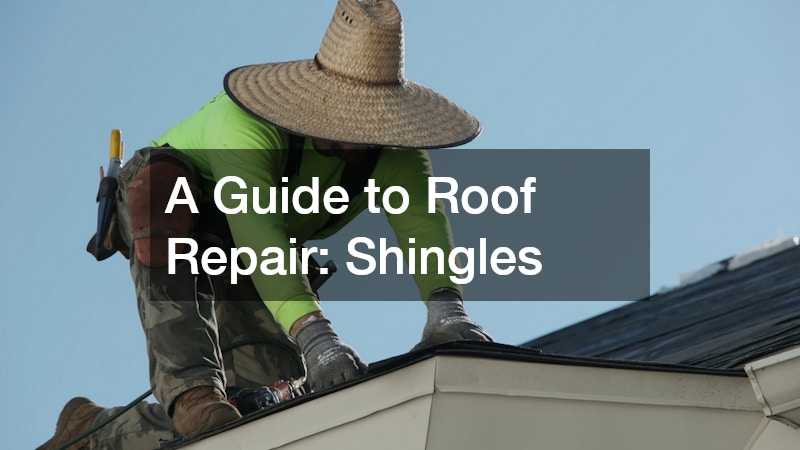
Roof maintenance and roof repair are essential for preserving the structural integrity and aesthetic appeal of a home. Shingle roofs are popular for their affordability and ease of installation. However, they are prone to wear and tear that requires timely repairs to prevent bigger issues.
Understanding common shingle roof problems helps address minor issues before they become costly repairs. This guide covers signs of shingle damage, inspection techniques, repair materials, shingle replacement steps, and maintenance tips to ensure roof longevity.
1. Signs That Your Shingle Roof Needs Repair
1.1. Curling or Buckling Shingles
Curling or buckling shingles indicate that your roof needs attention. Causes include moisture, age, or poor installation, which compromise the roof’s ability to shed water. Recognizing these signs early can prevent further damage from water, mold, or rot. Regular inspections help detect these issues before they escalate.
1.2. Missing Shingles
Missing shingles expose your roof to water damage. Wind, storms, or physical damage can cause this, signaling potential material fatigue. Addressing missing shingles promptly maintains your roof’s waterproof barrier and prevents future repairs. Inspect your roof after severe weather to ensure shingle integrity.
1.3. Granules in the Gutters
The presence of asphalt shingle granules in gutters indicates shingle wear. These granules protect against UV rays and enhance durability. Granule loss suggests aging and reduced waterproofing capability. Monitor gutters for granule buildup as an early indicator of roof health.
2. Roof Inspection
2.1. Visual Inspection Techniques
Visual inspections from the ground can assess shingle roof condition. Look for uneven shingle lines, discoloration, or debris. Use binoculars for closer inspection and walk the home perimeter to view the entire roof. Regular inspections can spot early signs of problems.
2.2. Safety Precautions
Prioritize safety when inspecting a roof. Use sturdy ladders, non-slip shoes, and protective gear. Inspect on clear, dry days to avoid slipping. Consider having an assistant and call professionals for high-risk assessments.
2.3. Professional Inspection
While DIY inspections catch visible issues, professionals provide a thorough roof assessment. They bring tools and expertise, offering insights and recommendations tailored to your roof. Professionals can detect subtle signs of damage, making periodic inspections cost-effective for long-term maintenance.
3. Materials and Tools Needed for Shingle Repair
3.1. Essential Tools
For shingle repairs, basic tools include a hammer, ladder, roofing nails, pry bar, and utility knife. A chalk line and measuring tape ensure precise shingle placement. Use safety gear to prevent accidents during repairs.
3.2. Types of Shingles
Consider durability, cost, and aesthetics when selecting replacement shingles. Asphalt shingles are common for affordability and variety, while architectural shingles offer enhanced durability and appearance. Evaluate options for the best fit.
3.3. Additional Materials
Apart from shingles, roofing underlayment, sealants, adhesives, and drip edges are crucial for successful repairs. These materials prevent moisture infiltration and enhance durability.
4. Steps Involved in Replacing Damaged Shingles
4.1. Removing Damaged Shingles
Carefully loosen and remove surrounding shingles to avoid further damage. Use a pry bar to lift edges and remove nails. Check the roof deck for any damage. Clean the base for new shingle installation.
4.2. Preparing the Roof Surface
Clean the area of dirt and old sealant for proper shingle adhesion. Repair any roof deck damage and apply underlayment if needed to reinforce water protection.
4.3. Installing New Shingles
Align and secure new shingles properly to withstand environmental challenges. Use nails to ensure a firm hold, layering shingles to enhance overlap and drainage.
5. Maintaining Your Shingle Roof
5.1. Regular Cleaning
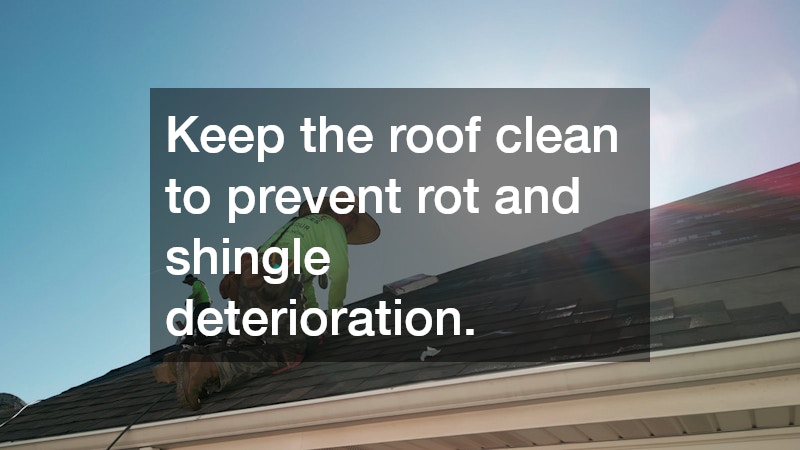
Keep the roof clean to prevent rot and shingle deterioration. Remove leaves and debris regularly for proper drainage and airflow, using care to avoid damage.
5.2. Seasonal Maintenance Routines
Adapt maintenance to weather challenges. Clear debris in spring, check for sun damage in summer, and clear gutters in fall to prevent clogs and ice dams.
5.3. Checking for Water Damage and Leaks
Regularly check for water stains or discoloration, indicating leaks. Promptly address leaks to prevent structural damage. Install attic insulation and ventilation for moisture protection.
Regular maintenance and timely repair of shingle roofs ensure home safety and longevity. By identifying early damage signs, conducting inspections, and using the right materials and techniques, shingle roofs can be effectively maintained. Long-term strategies like proper cleaning and seasonal care keep the roof in optimal condition, preserving value and functionality.