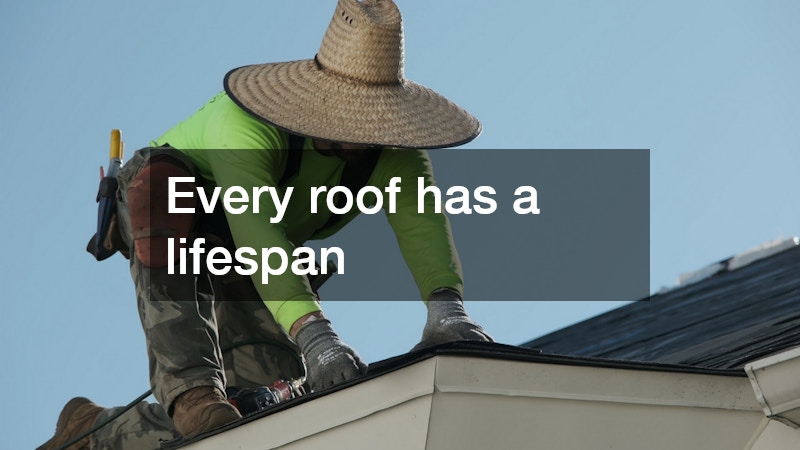
A roof plays a critical role in protecting a home from the elements, maintaining energy efficiency, and preserving structural integrity. Despite its importance, many homeowners overlook early warning signs of roof damage until the problem becomes severe and costly. Small issues can quickly escalate into major repairs if they are not addressed in time, making it essential to stay proactive about roof maintenance.
Understanding when to seek professional help can save both time and money while preventing unnecessary stress. While some signs of damage may be obvious, others can be subtle and easily missed without regular inspections.
Knowing what to look for empowers homeowners to take action before minor concerns turn into major headaches.
This guide outlines the top signs that indicate it may be time to call a residential roofing company. By recognizing these warning signals early, homeowners can protect their investment and ensure their roof continues to perform effectively for years to come.
Missing or Damaged Shingles
One of the most visible signs of roof trouble is missing or damaged shingles. Shingles serve as the first line of defense against rain, wind, and other environmental factors. When they are cracked, curled, or completely missing, the underlying materials become vulnerable to water intrusion.
Damaged shingles often result from aging, harsh weather conditions, or improper installation. Even a few missing shingles can create entry points for moisture, which can lead to mold growth, wood rot, and interior damage. Regularly inspecting the roof from the ground or after a storm can help identify these issues early.
If damage is noticeable, it is important to act quickly. Prompt repairs can prevent further deterioration and extend the overall lifespan of the roof.
Water Leaks and Interior Damage
Water stains on ceilings or walls are clear indicators that the roof may be compromised. Leaks can develop slowly over time or appear suddenly after a heavy storm. Regardless of how they start, they should never be ignored.
Moisture entering the home can damage insulation, weaken structural components, and create an environment for mold and mildew to thrive. In some cases, leaks may not be immediately visible but can still cause hidden damage behind walls or in the attic.
Homeowners who notice discoloration, peeling paint, or damp spots should investigate further. Addressing leaks early helps minimize repair costs and prevents more extensive damage to the home’s interior.
Sagging Roof Areas
A sagging roof is a serious issue that often indicates structural problems. This can be caused by prolonged water damage, excess weight from debris or snow, or weakened support beams.
Sagging areas may appear as dips or uneven sections along the roofline. These changes can compromise the roof’s ability to shed water effectively, increasing the risk of leaks and collapse.
When this type of issue is detected, immediate professional evaluation is necessary. Structural concerns should never be delayed, as they can pose safety risks to both the home and its occupants.
Aging Roof Materials
Every roof has a lifespan, and as it ages, it becomes more susceptible to damage. Most asphalt shingle roofs last between 20 and 30 years, depending on the quality of materials and installation.
As roofs near the end of their lifespan, they may show signs of wear such as curling shingles, fading color, and reduced durability. Even if there are no visible leaks, an aging roof may no longer provide adequate protection.
Scheduling an inspection with a residential roofing company can help determine whether repairs are sufficient or if a full replacement is necessary. Proactive planning ensures homeowners are not caught off guard by unexpected failures.
Storm Damage
Severe weather events can cause significant damage to roofs, even if it is not immediately visible. High winds can loosen or remove shingles, while hail can create dents and cracks in roofing materials.
After a major storm, it is important to assess the roof for damage. Debris such as fallen branches can also contribute to structural issues if left unaddressed.
Because storm damage is not always obvious, a professional inspection is often the best way to identify hidden problems. Timely repairs can prevent further complications and help maintain the roof’s integrity.
Flashing and Sealant Issues
Flashing is used around chimneys, vents, and other roof penetrations to prevent water from seeping in. Over time, flashing can become loose, corroded, or damaged.
Similarly, sealants used to secure various components may deteriorate due to exposure to the elements. When flashing or sealants fail, water can enter vulnerable areas and cause damage.
Inspecting these components regularly and addressing any issues promptly helps maintain a watertight barrier and protects the home from leaks.
A well-maintained roof is essential for protecting a home and ensuring long-term comfort and safety. Recognizing the early signs of damage allows homeowners to take action before problems escalate into costly repairs or replacements. From missing shingles and water leaks to sagging areas and rising energy bills, each warning sign should be taken seriously.
Routine inspections and timely maintenance play a crucial role in extending the life of a roof. By staying vigilant and addressing issues as they arise, homeowners can avoid unnecessary stress and preserve the value of their property.
When in doubt, consulting a residential roofing company provides peace of mind and professional guidance. With the right expertise, homeowners can ensure their roof remains strong, durable, and capable of withstanding the elements for years to come.