
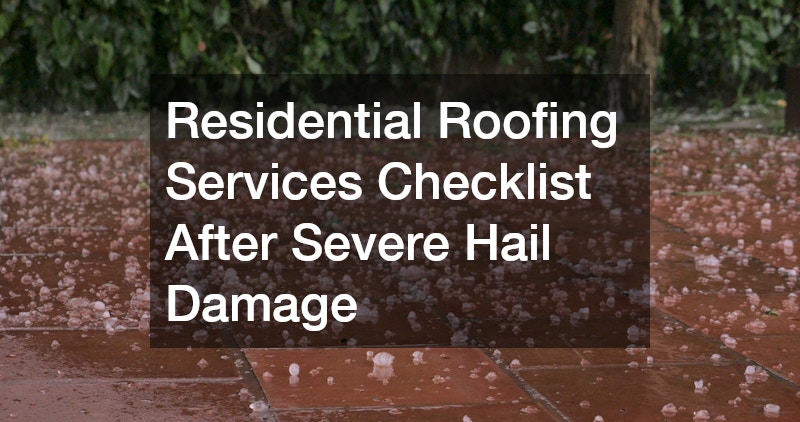
Severe hailstorms can leave behind more than just a temporary mess—they often cause hidden and visible damage that can compromise the safety, efficiency, and lifespan of your home. While some issues are obvious, like cracked shingles or dented gutters, others can go unnoticed until they turn into costly repairs. That’s why having a structured, step-by-step checklist is essential after any major storm.
This guide walks you through a comprehensive process to evaluate your home after hail damage. From initial observations to professional inspections and long-term planning, each step is designed to help you make informed decisions, avoid common pitfalls, and protect your investment. By following a clear checklist, you can reduce stress and take control of the repair process with confidence.
Start With a Safe, Ground-Level Damage Assessment
Before doing anything else, begin your inspection from the ground where it is safest and easiest to observe general conditions. After a hailstorm, your property may still have slick surfaces, loose debris, or unstable areas that make climbing dangerous. By staying on the ground initially, you can still gather valuable information without putting yourself at risk. Walk slowly around your home and look at the roof from multiple angles, paying attention to how light reflects off the surface. This can help reveal dents, dark spots, or irregular patterns that might otherwise go unnoticed. You should also scan for debris such as branches, leaves, or broken materials that could signal impact damage. Even subtle signs can indicate that your roofing system has been compromised and may need further inspection.
As you move around your property, focus on spotting early warning signs:
- Dented gutters or downspouts
- Shingle fragments on the ground
- Granules are collecting near drainage areas
- Debris buildup in corners or valleys
- Visible discoloration on roof surfaces
Taking photos during this stage is extremely helpful for documentation, especially if you need to file an insurance claim later. If you notice anything concerning, it may be time to consult professionals who specialize in residential roofing services. Their trained eye can confirm whether what you’re seeing is cosmetic or something more serious. Even if everything appears minor, early detection plays a huge role in preventing long-term damage. Acting quickly after this initial check can make the difference between a simple repair and a costly restoration.
Check Interior Warning Signs Before Climbing Up
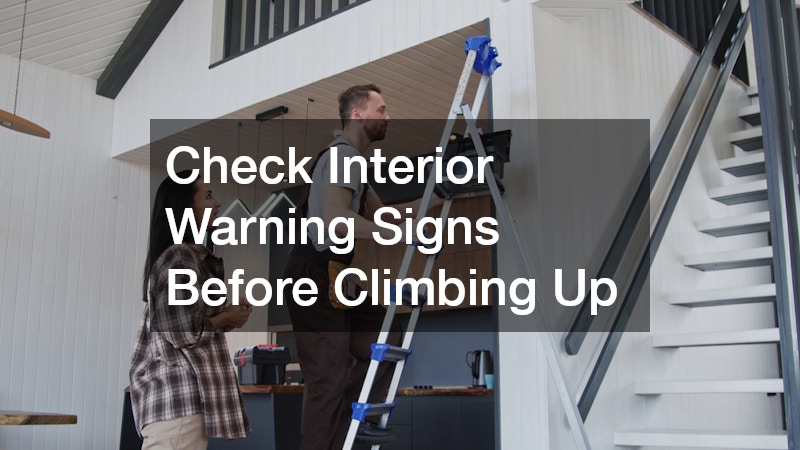
Before you even think about getting onto the roof, take time to inspect the inside of your home for early warning signs of damage. Interior issues are often the first indication that something has gone wrong above, especially after a storm that may have compromised protective layers. Begin in the attic if you have access, since this area provides a direct view of the underside of your roof structure. Look closely at insulation, wooden beams, and any visible decking for signs of moisture or discoloration. Water stains on ceilings or walls can signal that hail has created entry points for leaks. You may also notice musty odors, which often indicate trapped moisture that could lead to mold growth over time.
Pay attention to these interior red flags:
- Water stains or ceiling discoloration
- Damp insulation or wood framing
- Musty or mold-like odors
- Dripping water or active leaks
- Uneven indoor temperatures
If you spot any of these issues, it’s best to act quickly rather than waiting for the problem to worsen. Contacting a reliable roofing service can help you identify the source of the damage and prevent further complications. Experienced roofing companies are skilled at connecting interior symptoms with exterior causes, ensuring a comprehensive diagnosis. Ignoring these early warning signs can lead to structural deterioration and higher repair costs. Addressing these signs early also helps protect your home’s interior from long-term damage.
Inspect Shingles and Surface Materials Closely
Once safety is confirmed or a professional is assisting, the next step is to take a closer look at the roof’s surface materials. Hail can affect shingles in ways that aren’t always obvious at first glance, especially if the impacts are small but frequent. Over time, even minor damage can weaken the integrity of the surface and lead to bigger issues. Carefully examine shingles for cracks, splits, or areas where granules have been knocked away. These granules play an important role in protecting the roof from UV rays and weather exposure. When they are lost, the material underneath becomes vulnerable to accelerated wear.
Look closely for these types of damage:
- Cracked or split shingles
- Bald spots from granule loss
- Soft or bruised areas
- Missing or lifted shingles
- Uneven or inconsistent textures
Homeowners often rely on residential roofing services to conduct a more detailed evaluation of these materials. The type and quality of roofing supplies used in your roof can significantly influence how well it withstands storm damage. Acting quickly after identifying damaged areas can help prevent leaks and extend the life of your roof. Regular inspections and prompt repairs help maintain the durability and performance of your roofing system over time.

Evaluate Flashing, Vents, and Roof Penetrations
While shingles are the most visible part of your roof, smaller components are often where serious problems begin. Flashing, vents, and other penetrations are essential for sealing vulnerable areas, but they can easily be damaged by hail impact. These elements are typically made of metal or sealed materials that can bend, crack, or loosen under stress. When this happens, water can seep into your home without obvious exterior damage. Carefully inspect the areas around vents, skylights, and pipes to ensure the seals remain intact.
Be sure to examine these areas carefully:
- Metal flashing for dents or bends
- Sealant around vents and skylights
- Pipe openings for gaps or cracks
- Rust or corrosion on exposed metal
- Loose or lifted edges
Flashing around the chimney is especially critical, as it creates a barrier between structures. Routine chimney inspections often include evaluating this connection. If you notice issues, repairs should be handled promptly by a professional with roofing experience. Small gaps can quickly turn into major leaks if left untreated. Staying vigilant with these components helps prevent hidden water damage from developing over time.
Don’t Overlook Chimney Structure and Stability
The chimney is one of the most exposed parts of your home during a hailstorm, making it particularly vulnerable to damage. Unlike flexible materials, chimneys are rigid and more prone to cracking under impact. These issues may not always be immediately noticeable, but can worsen over time if ignored. Begin by examining the exterior for visible cracks in bricks or mortar joints. Also check for any shifting or separation from the roofline, which could indicate structural stress.
Watch for these chimney-related concerns:
- Cracked or chipped bricks
- Deteriorating mortar joints
- Loose or damaged chimney caps
- Gaps between the chimney and the roof
- Water stains near chimney areas indoors
Professional chimney services can provide a detailed assessment and recommend next steps. If damage is found, chimney repair should be scheduled quickly to prevent further issues. Addressing these problems early helps maintain both safety and efficiency. Regular monitoring of your chimney can also extend its lifespan and reduce future repair costs.
Assess Gutters and Drainage System Performance
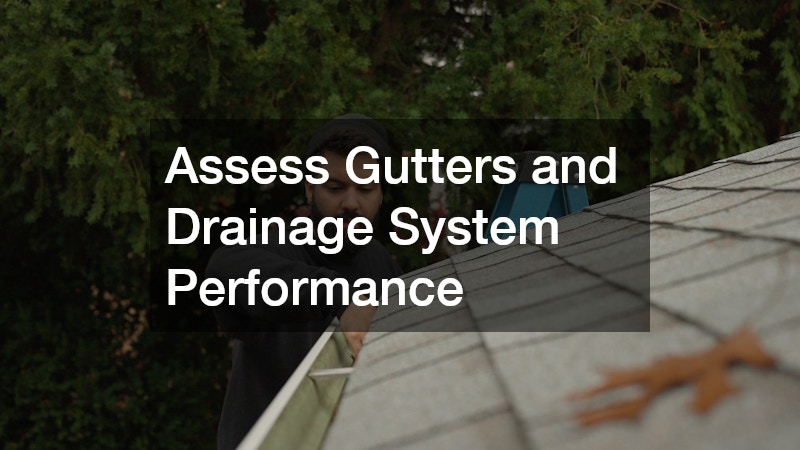
Gutters play a crucial role in directing water away from your home, and hail damage can significantly affect their performance. Even small dents or clogs can disrupt proper water flow and lead to pooling or overflow. After a storm, inspect your gutters carefully to ensure they are still functioning as intended. Pay attention to both visible damage and subtle changes in alignment or drainage patterns.
Focus on these common gutter issues:
- Dents or bends in gutter sections
- Loose or detached brackets
- Clogged areas from debris or granules
- Improper drainage direction
- Water is pooling near the foundation
Granule buildup can indicate wear on your roofing supplies and signal underlying issues. In some cases, upgrading components during future roof installations may improve long-term performance. Maintaining a functional drainage system helps protect your home from water damage. Keeping gutters in good condition also supports the overall efficiency of your entire roofing system.
Determine If You Need a Specialist for Unique Materials
If your home features specialized materials like slate or tile, it’s important to recognize that these require unique repair approaches. Hail damage can affect these surfaces differently, sometimes causing subtle cracks or dislodging pieces without obvious signs. Attempting to repair them without proper knowledge can lead to further damage. Identifying the need for a specialist early helps ensure the right approach is taken.
Situations that may require a specialist include:
- Cracked or chipped slate or tile
- Dislodged or uneven pieces
- Previous repairs that don’t match the materials
- Unusual noises from the roof structure
- Visible wear unique to specialty materials
A slate roof specialist has the expertise needed to handle delicate materials properly. Many residential roofing services offer specialized support for these types of roofs. Choosing the right professional ensures long-term durability and proper repair techniques. Working with experienced specialists also helps preserve the aesthetic value of your roof.

Get a Professional Inspection Before Filing Insurance
Filing an insurance claim without a clear understanding of the damage can lead to delays or denials. A professional inspection provides the documentation needed to support your claim and ensures nothing is missed. Inspectors evaluate both visible and hidden damage, giving you a complete picture of the situation. This step is essential for making informed decisions about repairs.
A professional inspection typically includes:
- Detailed damage assessment
- Photo documentation
- Written reports for insurance
- Repair or replacement estimates
- Expert recommendations
Working with a trusted roofing service helps ensure accuracy and transparency. Many roofing companies offer inspections to help homeowners get started. Taking this step before filing a claim can simplify the process and improve your chances of approval. Proper documentation also strengthens your position when negotiating with insurance providers.
Plan Repairs vs. Full Replacement Strategically
Deciding whether to repair or replace your roof requires careful evaluation of several factors. The age of your roof, the extent of damage, and your long-term goals all play a role in this decision. In some cases, minor repairs may be enough to restore function. In others, a full replacement may offer better value and durability.
Consider these factors when deciding:
- Age and condition of the roof
- Severity and spread of damage
- Cost comparison of repair vs replacement
- Future maintenance expectations
- Long-term property value
Roof installations may provide a more reliable solution when damage is extensive. Professionals in roofing can guide you through this decision with detailed insights. Taking a strategic approach ensures your investment delivers lasting results. Making an informed choice now can prevent recurring issues and unexpected expenses later.
Address Chimney Functionality Before the Next Storm
Beyond structural concerns, it’s important to ensure your chimney continues to function properly. Damage from hail can affect airflow, ventilation, and overall efficiency. Checking functionality now helps prevent issues during colder months when the chimney is in use more frequently. Taking time to address these concerns early can also improve energy efficiency and reduce heating costs.
Inspect these functional elements:
- Flue for blockages or damage
- Chimney cap for secure fit
- Internal structure for cracks
- Ventilation performance
- Signs of moisture buildup
Routine chimney inspections help identify problems early. In some cases, additional chimney services may be needed to restore proper function. Taking care of these issues now helps prevent more serious problems later. Ensuring proper chimney function also improves safety and indoor air quality.
Protecting Your Home Moving Forward
Recovering from hail damage is only part of the process—preparing for future storms is equally important. Once repairs are complete, focus on strengthening your home against future impacts. Regular maintenance and proactive upgrades can significantly reduce the risk of damage.
Steps to protect your home include:
- Upgrading to impact-resistant materials
- Scheduling routine inspections
- Reinforcing flashing and seals
- Keeping gutters clean and clear
- Maintaining a list of trusted professionals
Investing in high-quality roofing supplies can improve long-term durability. If needed, targeted chimney repair can strengthen vulnerable areas. Taking a proactive approach ensures your home is better prepared for whatever weather comes next. Consistent maintenance and preparation will help you stay ahead of future storm damage.